
Medication Safety Online: Protecting Patients in Telehealth

Updated: Apr 8
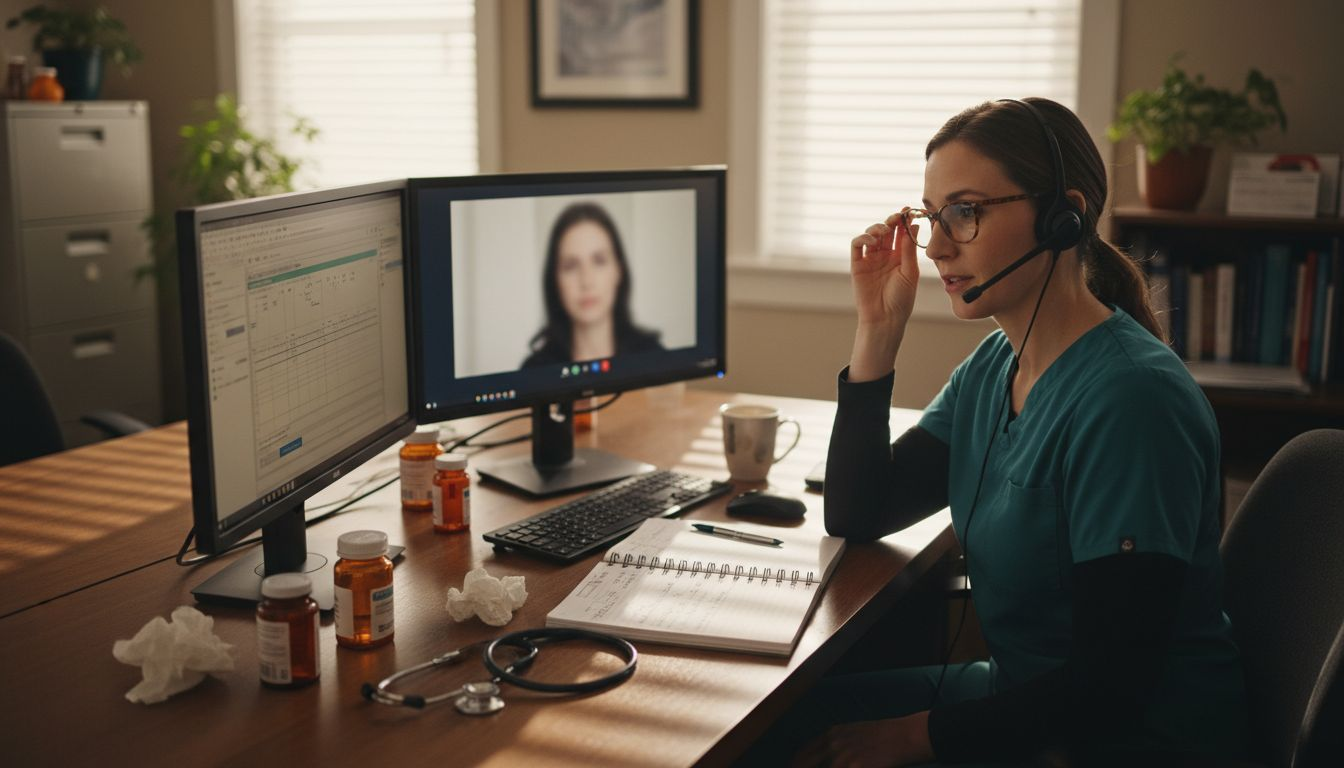
Most American adults worry about the safety of medications ordered online, yet studies show reputable telehealth platforms follow the same strict medical standards as in-person care. When your schedule is packed and health needs are private, digital solutions can be a game changer. This overview dives into myths and facts about online prescription safety, offers practical tips for protecting yourself, and explains what to look for to ensure your treatment is both safe and convenient.
Table of Contents
Key Takeaways
Point | Details |
Telehealth Enhances Accessibility | Telehealth allows patients to receive medical care remotely, increasing convenience and reducing the need for in-person visits. |
Myths About Online Medication | Reputable telehealth providers employ rigorous protocols to ensure medication safety, debunking fears about compromised standards. |
Legal Framework for Online Prescriptions | Online prescriptions must follow strict legal guidelines to ensure patient safety, including secure patient identity verification. |
Collaboration Between Providers and Pharmacies | Telehealth providers and online pharmacies work together to ensure safe medication practices, enhancing patient education and reducing risks. |
Medication Safety Online Basics and Myths
Telehealth has transformed healthcare delivery, offering convenience and accessibility through digital platforms. Telehealth services now encompass remote medical care using technology like computers and smartphones, enabling patients to receive medical consultations and prescriptions without traditional in-person visits.
Despite growing popularity, several myths persist about online medication safety. Many patients worry that digital healthcare platforms compromise medical standards or reduce professional oversight. However, reputable telehealth services maintain rigorous protocols to protect patient health. The 5 Rs framework remains critical: ensuring the right drug, right dose, right route, right time, and right patient. These medication safety practices apply equally to online and traditional healthcare settings, with licensed clinicians carefully reviewing patient histories and prescribing appropriate treatments.
Key safety considerations for online medication management include comprehensive patient screening, secure electronic health records, direct physician consultations, and verified pharmacy partnerships. Patients should always confirm their prescription details, understand medication instructions, and maintain open communication with their healthcare provider. Digital platforms often provide additional layers of verification and tracking that can enhance medication safety compared to traditional prescription models.
Pro tip: Always request and review a complete medication profile during your telehealth consultation, asking about potential interactions and side effects to ensure comprehensive understanding of your treatment plan.
How Online Prescriptions Work Legally
Online prescription processes involve complex legal frameworks designed to protect patient safety and ensure medication accountability. U.S. federal law requires prescriptions for controlled substances to be issued by licensed practitioners with legitimate medical purposes, establishing strict guidelines for telehealth medication management.
The COVID-19 pandemic triggered significant changes in telehealth prescription regulations. The DEA and HHS extended telemedicine prescribing flexibilities through December 31, 2026, allowing healthcare providers to prescribe controlled substances remotely. These modifications balance patient access with regulatory oversight, permitting prescriptions for Schedule II-V controlled substances via telemedicine without mandatory initial in-person evaluations.
Key legal requirements for online prescriptions include comprehensive patient medical history reviews, secure electronic health record verification, and direct physician consultations. Healthcare providers must confirm patient identity, assess medical necessity, and follow state and federal regulations. Digital platforms must implement robust authentication protocols, maintain patient privacy standards, and ensure seamless communication between patients and licensed clinicians.
Pro tip: Always verify your telehealth provider’s licensing credentials and ensure they are authorized to prescribe medications in your specific state before initiating an online consultation.
This comparison highlights traditional vs online prescription processes:
Factor | Traditional Prescription | Online Prescription |
Provider Interaction | In-person appointments | Virtual consultations |
Medical Record Access | Paper or local files | Secure electronic records |
Identity Verification | Visual confirmation | Digital authentication |
Accessibility | Limited by location | Nationwide, home-based access |
Key Roles of Telehealth Providers and Pharmacies
Telehealth providers play a critical role in ensuring safe and effective online medication management, with nurse practitioners and physicians carefully evaluating patients and adhering to stringent regulatory guidelines. These medical professionals conduct comprehensive virtual assessments, review medical histories, and determine appropriate treatment plans that prioritize patient safety and clinical effectiveness.
Online pharmacies represent another crucial component of the telehealth ecosystem. These digital pharmacies serve as essential gatekeepers in the medication supply chain, implementing strict quality control and verification processes. Their responsibilities extend beyond simple medication dispensing, encompassing critical functions like drug interaction screening, patient counseling, and ensuring the authenticity of prescribed medications.
The collaboration between telehealth providers and online pharmacies creates a robust system of checks and balances. Healthcare providers generate precise, carefully evaluated prescriptions, while pharmacies perform additional verification, confirm medication appropriateness, and provide patient education. This integrated approach helps mitigate risks associated with remote prescribing, ensuring that patients receive safe, accurate, and appropriate medication treatments.
Pro tip: Request a comprehensive medication review during your telehealth consultation and confirm that your online pharmacy performs thorough verification checks to guarantee your prescription’s safety and accuracy.
Here’s a summary of how telehealth providers and online pharmacies contribute to medication safety:
Role | Main Responsibility | Impact on Patient Safety |
Telehealth Provider | Evaluate patients remotely | Reduces risks from improper dosing |
Online Pharmacy | Authenticate prescriptions | Prevents counterfeit medications |
Collaboration | Verification and education | Ensures accurate treatment |
Risks and Red Flags for Patients
Telehealth introduces several potential risks that patients must carefully navigate to ensure their medical safety and personal information protection. These risks include potential misdiagnosis due to limited virtual examinations, compromised privacy, digital literacy challenges, and the possibility of medication prescription errors that can emerge from remote healthcare interactions.

Illegal online pharmacies represent a significant threat to patient health, often selling unapproved, counterfeit, or expired medications without proper prescriptive oversight. Patients should be vigilant about several critical red flags, including online services that do not require verified provider licensing, accept payments without legitimate prescriptions, offer suspiciously low-cost medications, or operate without transparent verification processes.
Key warning signs patients should watch for include websites that bypass comprehensive medical history reviews, fail to provide direct communication with licensed healthcare professionals, or make unrealistic promises about medication effectiveness. Legitimate telehealth platforms maintain strict protocols, including thorough patient screening, secure digital communication channels, and comprehensive medication verification processes. Patients must prioritize platforms that demonstrate clear accountability, professional credentials, and a commitment to maintaining rigorous medical standards.
Pro tip: Always verify the credentials of your telehealth provider and online pharmacy by checking their state licensing information and requesting detailed information about their medication sourcing and verification protocols.
Latest DEA Regulations and State Laws
The Medication Access and Training Expansion (MATE) Act introduces significant new requirements for healthcare practitioners prescribing controlled substances, mandating that all DEA-registered providers complete at least eight hours of specialized training on substance use disorders before renewing their registration. This federal regulation, effective since June 27, 2023, represents a critical step in ensuring healthcare professionals maintain comprehensive understanding of responsible medication prescribing.
The Telehealth Modernization Act of 2024 has further transformed the regulatory landscape by extending telehealth flexibilities through 2026. This legislation removes previous geographic restrictions, expands provider eligibility for telehealth services, and supports broader integration of digital healthcare platforms. State laws are increasingly aligning with these federal guidelines, creating a more consistent framework for online prescription management while maintaining rigorous patient safety standards.
Navigating these complex regulatory environments requires healthcare providers and patients to stay informed about evolving legal requirements. Each state maintains unique nuances in telehealth regulations, particularly regarding controlled substance prescriptions, patient evaluation protocols, and professional licensing requirements. Providers must meticulously verify compliance with both federal guidelines and specific state-level regulations to ensure legal and ethical telehealth practice.
Pro tip: Consult your state medical board annually to understand the most current telehealth prescribing regulations and ensure your healthcare provider maintains full compliance with both federal and state requirements.
Steps to Ensure Safe Online Medication Use
Ensuring safe medication use in telehealth begins with thorough patient education and robust technological preparation, which involves understanding privacy protocols, verifying personal identity, and maintaining clear communication channels with healthcare providers. Patients must actively participate in their telehealth experience by preparing comprehensive medical histories, ensuring stable internet connections, and having necessary medical documentation readily available.
Informed consent represents a critical component of safe online medication management. Patients should carefully review and understand the terms of their telehealth consultation, including potential risks, privacy considerations, and treatment expectations. This process involves actively engaging with healthcare providers, asking detailed questions about prescribed medications, potential interactions, and understanding precise dosage instructions.
Technical and procedural safeguards are essential for protecting patient health in digital healthcare environments. These include using secure, HIPAA-compliant platforms, implementing multi-factor authentication for patient accounts, maintaining encrypted communication channels, and establishing clear protocols for verifying prescription legitimacy. Patients should also maintain open lines of communication with their healthcare providers, preparing a list of current medications, allergies, and relevant medical history before each telehealth consultation.
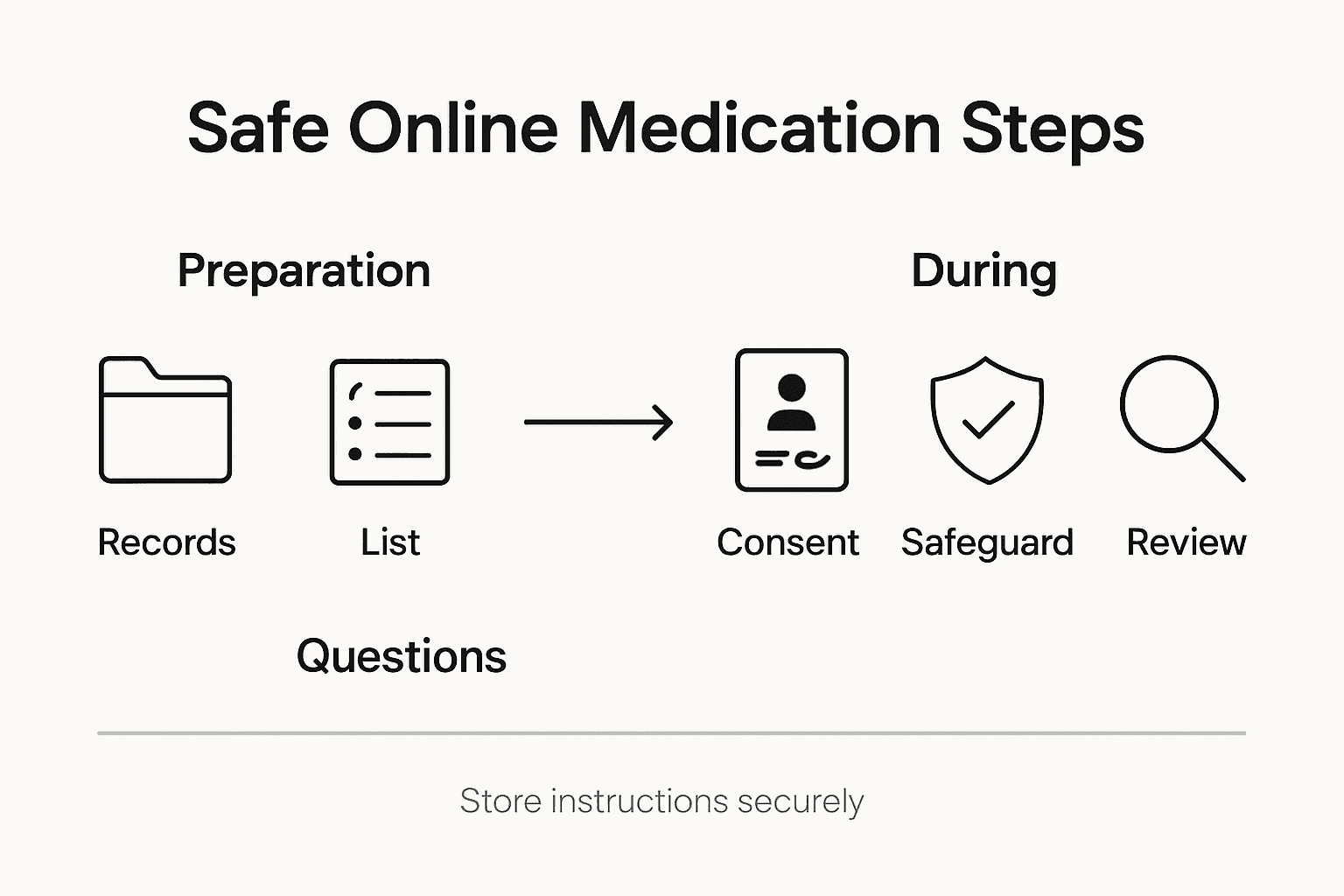
Pro tip: Create a dedicated, secure digital folder containing your medical records, medication list, and recent health information to streamline your telehealth consultations and ensure comprehensive medical communication.
Take Control of Your Medication Safety with Trusted Telehealth Solutions
The challenges of ensuring medication safety in telehealth require a platform that prioritizes rigorous patient evaluation, secure prescribing, and reliable medication delivery. If you want to eliminate concerns about verifying provider credentials, managing prescriptions securely, and understanding your treatment plan fully, Guppy Meds is here to help. Our service embraces the 5 Rs of medication safety to protect you from dosing errors and counterfeit drugs while offering convenient access to specialized treatments like weight loss, sexual health, and longevity therapies.
Discover how Guppy Meds’ streamlined virtual consultations with licensed healthcare providers combined with prescriptions fulfilled by an FDA-registered pharmacy deliver peace of mind and medical confidence. Start today by exploring our selection of targeted therapies in Sexual Health | Guppy Meds or learn more about optimizing your wellness through Longevity | Guppy Meds. Protect your health with a proven telemedicine platform built for safety, privacy, and convenience at Guppy Meds. Take the first step to safer online medication now.
Frequently Asked Questions
How do online prescriptions ensure medication safety?
Online prescriptions ensure medication safety through the adherence to the 5 Rs framework: right drug, right dose, right route, right time, and right patient. Licensed clinicians assess patient histories, conduct virtual consultations, and utilize secure electronic health records to verify each prescription.
What precautions should I take when using telehealth services for prescriptions?
When using telehealth services, always confirm your provider’s licensing credentials, understand your medication instructions, maintain regular communication with your healthcare provider, and ensure that your online pharmacy conducts verification checks for authenticity and safety.
What are some potential risks of using telehealth for medication prescriptions?
Potential risks of telehealth include misdiagnosis due to limited virtual examinations, issues with privacy, digital literacy challenges, and the possibility of prescription errors, especially if not monitoring for red flags in service providers.
What steps can I take to prepare for a telehealth consultation regarding medication?
To prepare for a telehealth consultation, compile a comprehensive medical history, list current medications and allergies, ensure a stable internet connection, and review the terms of your telehealth service to understand your rights and the potential risks involved.
Recommended


Comments